Blogs
💰 Personal Finance & Investing: The Complete 2026 Guide to Building Wealth

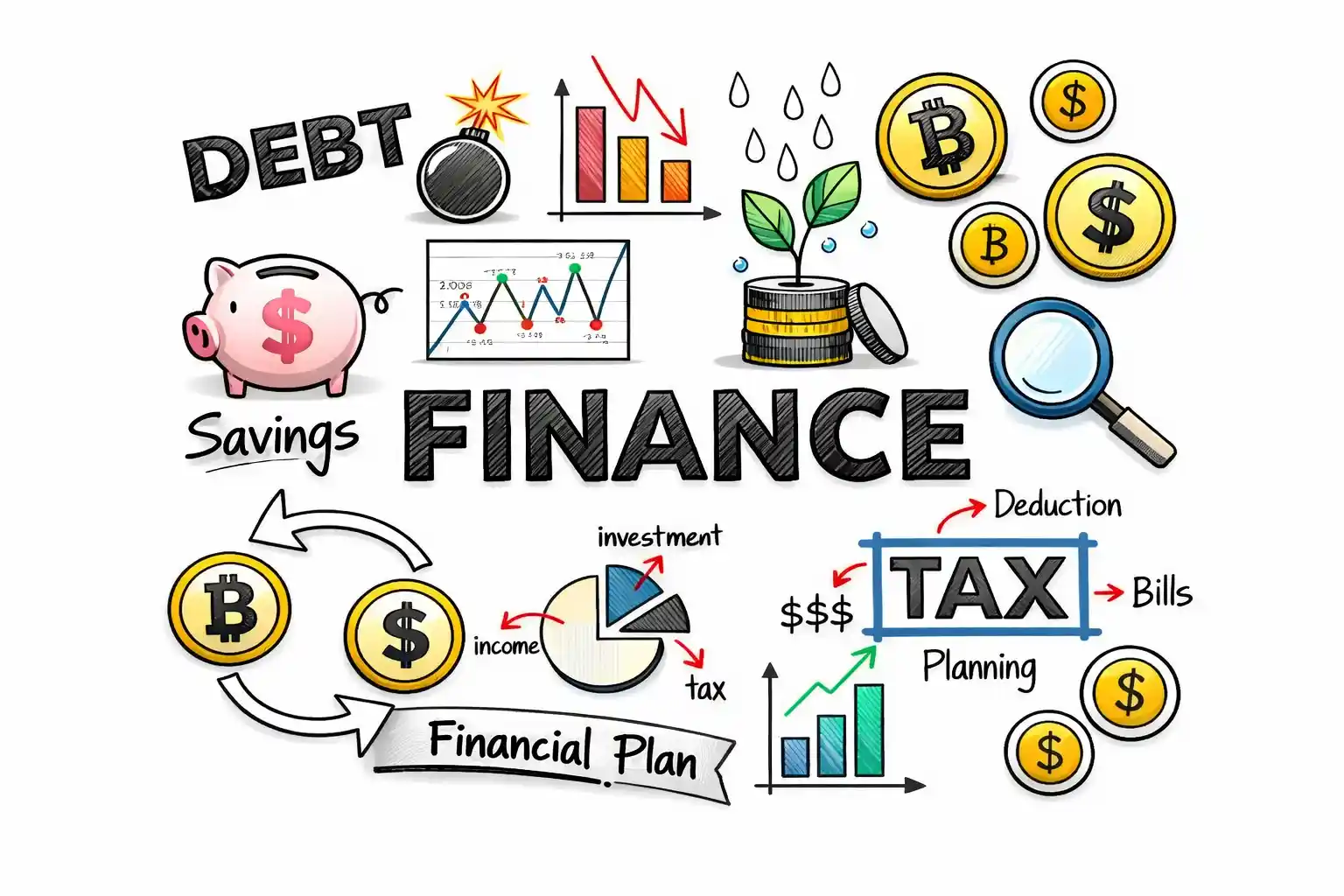
Personal finance is not just about saving money — it’s about creating freedom, security, and long-term wealth. Whether you’re a student, salaried professional, entrepreneur, or business owner, mastering personal finance and investing can completely transform your life.
In this detailed guide, you’ll learn:
- How to manage money effectively
- How to start investing (even with small amounts)
- Best investment options in India & globally
- How to build long-term wealth strategically
- Mistakes to avoid
Let’s begin.
📌 What Is Personal Finance?
Personal finance is the management of your:
- Income
- Expenses
- Savings
- Investments
- Protection (insurance)
- Retirement planning
It focuses on helping individuals achieve financial stability and independence.
🧮 Step 1: Master Budgeting (The Foundation)
Before investing, you must control your cash flow.
🔹 Popular Budgeting Rule: 50–30–20 Rule
- 50% → Needs (rent, food, bills)
- 30% → Wants (shopping, entertainment)
- 20% → Savings & Investments
If you’re serious about wealth building, increase investment allocation to 30–40%.
Tools You Can Use:
- Excel / Google Sheets
- Expense tracking apps
- Automated bank categorization
👉 Without budgeting, investing becomes inconsistent.
🛑 Step 2: Build an Emergency Fund
Before entering markets:
- Save 6 months of living expenses
- Keep it in:
- High-yield savings account
- Liquid mutual fund
- Short-term fixed deposit
This protects you during job loss or emergencies.
📈 Step 3: Understanding Investing Basics
Investing means putting money into assets that grow over time.
There are two types of income from investing:
- Capital Appreciation (asset price increases)
- Passive Income (dividends, interest, rent)
🏦 Investment Options in India & Globally
1️⃣ Stock Market
You can invest through:
- National Stock Exchange of India
- Bombay Stock Exchange
Globally:
- New York Stock Exchange
- NASDAQ
Who Should Invest?
- Long-term investors (5+ years)
- Those comfortable with market volatility
2️⃣ Mutual Funds
Perfect for beginners.
Types:
- Equity Funds
- Debt Funds
- Hybrid Funds
- Index Funds
Popular Indian funds track indices like:
- NIFTY 50
You can invest via SIP (Systematic Investment Plan).
3️⃣ Fixed Deposits (FD)
- Low risk
- Guaranteed returns
- Ideal for conservative investors
But returns may not beat inflation.
4️⃣ Gold
Options:
- Physical gold
- Gold ETFs
- Sovereign Gold Bonds
Gold protects during economic uncertainty.
5️⃣ Real Estate
- Rental income
- Long-term capital growth
Requires high capital but builds strong asset base.
6️⃣ Cryptocurrency
Popular examples:
- Bitcoin
- Ethereum
⚠ High risk, high volatility. Only invest what you can afford to lose.
💡 Step 4: Power of Compounding
Compounding = earning returns on your returns.
Example:
If you invest ₹10,000 per month at 12% annual return:
- In 10 years → ~₹23 lakh
- In 20 years → ~₹1 crore
Time is more powerful than timing.
Start early.
🛡 Step 5: Protect Your Wealth
Before aggressive investing:
✔ Health Insurance
✔ Term Life Insurance
✔ Basic liability cover
Insurance is protection, not investment.
🧠 Step 6: Smart Investment Strategy
🔹 Diversification
Don’t put all money in one asset.
🔹 Asset Allocation Example (Moderate Risk)
- 60% Equity
- 20% Debt
- 10% Gold
- 10% Cash
Adjust based on age and risk tolerance.
📊 Beginner Investment Plan (India Example)
If earning ₹50,000 per month:
- ₹10,000 → SIP in index fund
- ₹5,000 → Flexi-cap mutual fund
- ₹5,000 → Emergency fund
- ₹3,000 → Gold ETF
- ₹2,000 → Direct stocks
Start small, increase yearly.
❌ Common Personal Finance Mistakes
- No emergency fund
- Investing without knowledge
- Chasing quick returns
- Ignoring inflation
- Taking high-interest debt
- Not reviewing portfolio yearly
🏆 Long-Term Wealth Formula
Income ↑
Expenses controlled
Consistent investing
Long time horizon
Discipline
That’s it.
🔥 Best Strategy for 2026 & Beyond
- Focus on index investing
- Add AI/tech-focused funds
- Avoid emotional trading
- Invest monthly (automatic SIP)
- Increase investment % every year
📌 Final Thoughts
Personal finance is a lifelong journey. Wealth is not built in months — it’s built in years of disciplined action.
Start small.
Stay consistent.
Let compounding work.
Your future self will thank you.